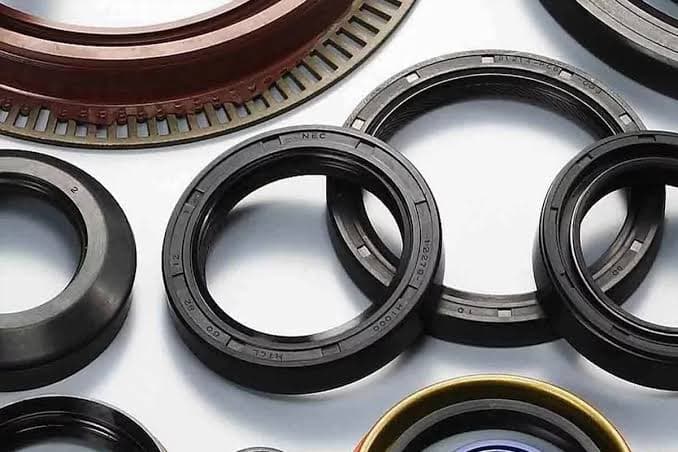
Visual signs and the documentation needed to be sure imported sealing parts are genuine.
The industrial sealing parts market, because of high demand, healthy profit margins and the relative difficulty for end users of telling genuine from fake, has always been a target for manufacturers and distributors of counterfeit parts. Counterfeit parts usually look very much like the genuine product and are hard to tell apart with the naked eye, but in real performance, service life and safety in use they differ greatly from the genuine article; a difference that usually shows itself only after weeks or months of real operation, as leakage or early failure, and by that point the real cost of the wrong choice is far greater than the original price difference. In this article we look at the key signs for telling a genuine part from a counterfeit and practical ways to reduce the risk of buying non-genuine goods.
Genuine products usually come with the brand's standard packaging, high-quality printing, a traceability code and technical documentation. Missing or poor-quality versions of these are the first warning to look further. Reputable international brands usually have a fixed pattern for packaging design, print font, paper or cardboard thickness and the exact placement of the product code, which is costly for unauthorized manufacturers to imitate exactly and economically unjustifiable; for this reason, seemingly minor differences in packaging design, such as a slightly different color, an irregular font or lower print quality, can be an important sign that the product is counterfeit and should not be ignored.
In counterfeit parts, because of poor-quality molds or a non-standard production process and weak quality control, trimmed edges are usually rough, irregular or left with plastic and rubber flash from the molding process, which is carefully removed in the genuine product. The rubber surface may have tiny bubbles, unevenness or inconsistent color in different areas of the part, indicating poor quality control in the rubber curing process. The weight of a counterfeit part also often differs from the genuine one, because of differences in the density of the rubber compound and the share of cheap filler materials; a difference that is easy to detect with an accurate scale and a comparison against the standard weight stated in the manufacturer's datasheet.
Many reputable international brands put a digital tracking system or a security hologram on their product packaging, which can be checked by scanning a QR code or entering the serial number on the brand's official website, and which usually shows information such as the production date, batch code and manufacturing plant. If a product code cannot be checked, an error message appears when checking, or the information returned does not match the goods received, this is a definite sign that the product is counterfeit and the supplier should be told immediately. Before making a large purchase from a new supplier, it is recommended to carry out this check for at least one sample to be sure of the whole shipment.
A price significantly below the market average for a given product code is usually a warning sign that should not be ignored simply because the saving is attractive. Because counterfeit parts save on raw materials, use recycled or lower-quality rubber, and skip quality control and testing standards, their production cost is far lower, and this saving is reflected directly in the final selling price. Although a lower price does not always and by itself mean a part is counterfeit and may have other legitimate commercial reasons, alongside the other signs described in this article it should be treated with caution and looked into further.
The surest way to be certain a product is genuine is to buy from an official representative or a well-known importer with a long track record in the market. As the official representative of several international brands including Kastas, MTO and TTO, IranSeal guarantees the authenticity of all its imported products by providing customs clearance documents, a certificate of origin and, where needed, the option of checking directly with the brand's representative office. Buying from informal sources, even at a seemingly more attractive price, carries a significant risk to the performance and safety of industrial equipment, and in many cases this risk is fully understood only after a failure and a production stoppage.
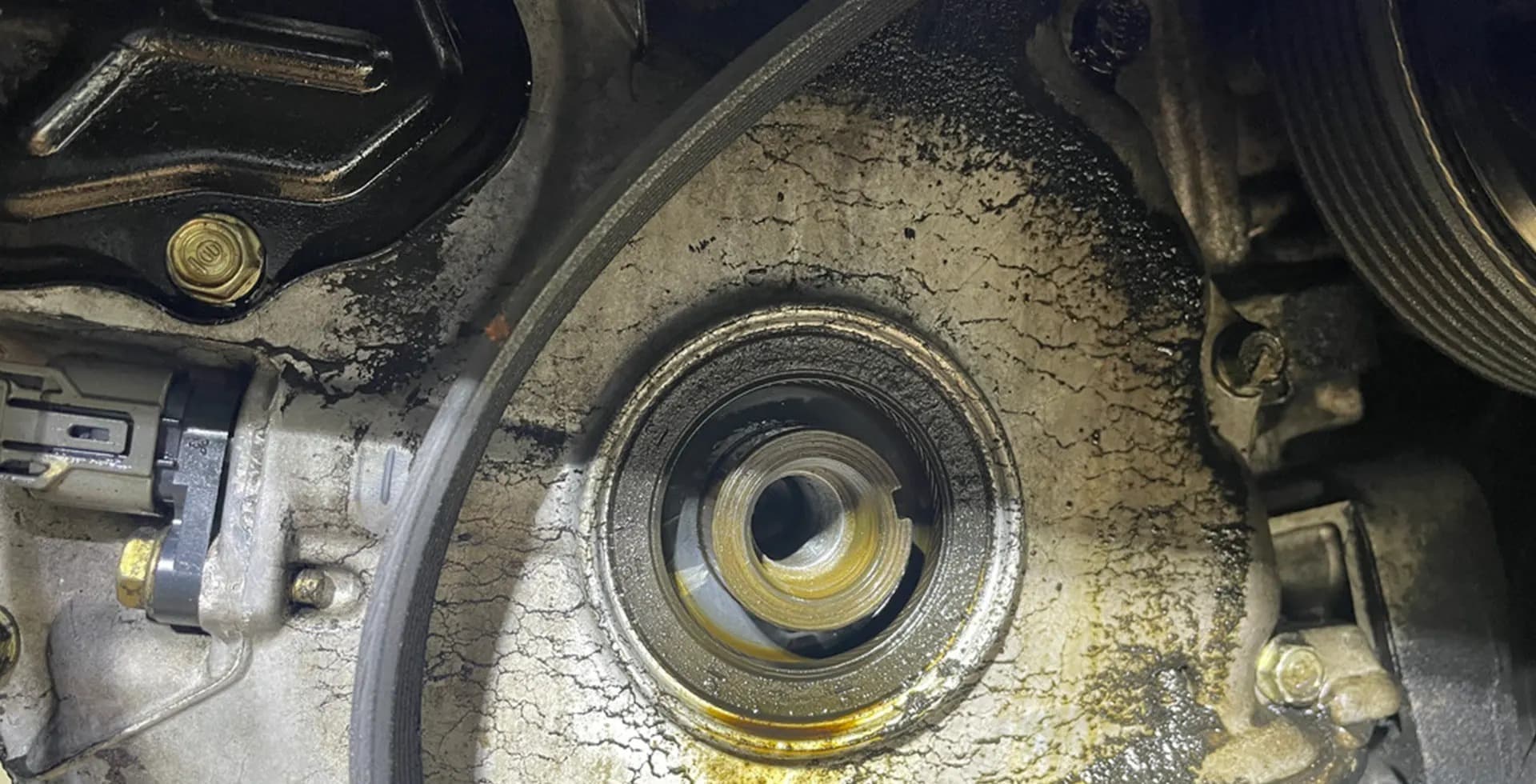
Using a counterfeit part usually causes no problem in the short term or at first inspection and may even run for a few weeks with no visible issue, but in the long run, because of its shorter service life and weaker sealing performance, it leads to early leakage, damage to more expensive neighboring parts such as the bearing or gearbox, contamination of the system's oil and, in the end, an unexpected production-line stoppage. The real cost of a counterfeit part, counting production downtime, collateral repairs and in some cases damage to adjacent parts that cost far more to replace, is usually many times its price difference from the genuine part; a calculation that is often not made at the moment of the original purchase.
Telling a genuine part from a counterfeit requires paying attention to packaging, visual quality, traceability codes, the reasonableness of the price and the source of purchase at the same time; none of these signs is conclusive on its own, but together they give a clear picture of whether the product is genuine. In the end, trusting an official, reputable supplier with a long track record is the surest and lowest-risk way to remove the risk of buying a counterfeit part entirely and to guarantee the long-term performance of industrial equipment.